
The rapid development of digital entertainment has introduced new ways to explore traditional sporting activities through online platforms. polopony Cockfighting is a topic of interest for users seeking information about traditional rooster competitions, regional practices, event formats, and modern online viewing technology.
Rather than relying exclusively on physical venues, digital platforms now provide access to historical records, educational resources, archived footage, and information about traditional competitions. Modern interfaces also make it easier to research different event formats and understand their cultural significance.
Understanding polopony Cockfighting provides readers with a broader perspective on traditional practices, digital technology, animal welfare, and the importance of responsible participation in online entertainment.
Overview Of polopony Cockfighting
Traditional cockfighting has a long history in several regions, particularly parts of Southeast Asia and Latin America. The development of modern technology has made information about these historical practices more accessible through online platforms.
What Is polopony Cockfighting?
polopony Cockfighting refers to digital content associated with traditional rooster competitions, including historical information, regional event formats, breed characteristics, and online documentation.
Unlike conventional casino games, cockfighting involves live animals. Consequently, understanding the distinction between historical research, digital entertainment, and activities involving animal harm is essential.
Common elements found in cockfighting information platforms include:
-
Historical descriptions of traditional competitions.
-
Information about different rooster breeds.
-
Digital archives and recorded events.
-
Regional customs and cultural traditions.
-
Animal welfare and legal information.
These resources provide readers with opportunities to understand traditional activities without attending or supporting animal fighting.
The Development Of Online Cockfighting Platforms
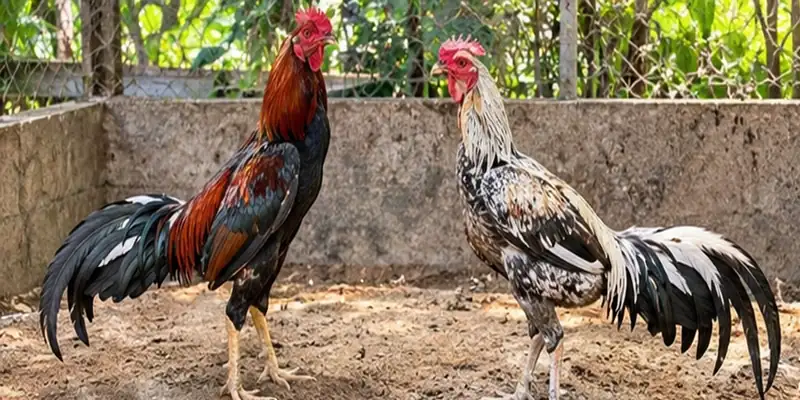
Traditional roosters stand together inside a rural enclosure during daylight.
Historically, rooster competitions were organized within local communities, often associated with traditional gatherings and regional customs. The introduction of digital communication has changed how historical information about these practices is distributed.
Today, polopony Cockfighting can be explored through online archives, educational websites, and cultural documentation accessible on smartphones, tablets, and desktop computers.
Several factors contribute to the growing availability of digital information:
-
Faster internet connectivity.
-
Improved video streaming technology.
-
Mobile-friendly website interfaces.
-
Greater accessibility to historical materials.
-
Increased awareness of animal welfare concerns.
These developments allow readers to examine traditional practices while considering their cultural, legal, and ethical implications.
Outstanding Features Of polopony Cockfighting
One notable characteristic of polopony Cockfighting content is the combination of historical information, visual documentation, and modern digital accessibility.
Some important features include:
Diverse Historical Resources: Readers can explore regional traditions, historical records, and information about different rooster breeds.
Modern Digital Interface: Online resources often feature organized layouts that make information easier to locate and understand.
Visual Documentation: Photographs and archived recordings provide additional context for historical and cultural research.
Flexible Accessibility: Educational materials can be viewed across multiple devices according to individual preferences.
These characteristics contribute to a more accessible digital learning experience compared with relying exclusively on traditional sources.
Popular Categories In polopony Cockfighting
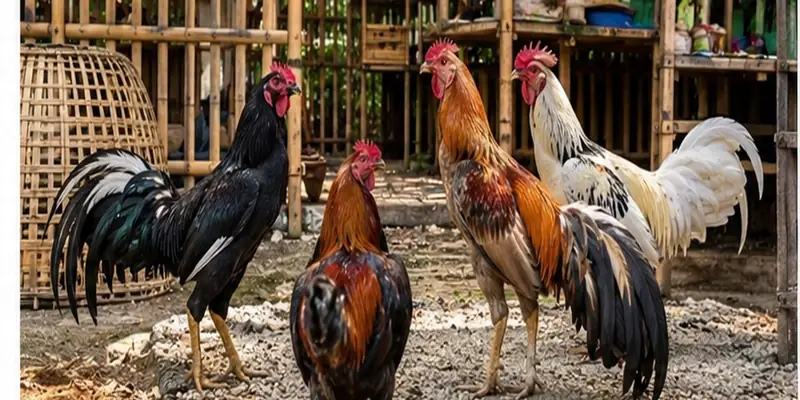
Different rooster breeds display natural feather patterns around a countryside farm.
polopony Cockfighting is associated with several subjects, including traditional rooster breeds, regional customs, agricultural history, and the evolution of digital documentation. Each category offers a different perspective on the historical practice.
Traditional Rooster Breeds And Their Features
Roosters are domesticated male chickens known for their colorful feathers, prominent combs, distinctive vocalizations, and natural territorial behavior.
Different breeds have developed unique physical characteristics through generations of agricultural breeding.
Important characteristics include:
-
Body size and structure.
-
Feather patterns and coloration.
-
Natural behavioral tendencies.
-
Breed-specific physical traits.
-
Historical breeding origins.
Understanding these differences helps readers recognize the diversity of traditional poultry breeds and their importance in agricultural history.
Historical Event Formats In polopony Cockfighting
Historical records indicate that rooster competitions developed differently across various countries and communities.
Some traditions were associated with community gatherings, while others became commercialized activities. Regulations and public attitudes toward these practices vary considerably between jurisdictions.
Several factors distinguish regional traditions:
-
Cultural background.
-
Historical development.
-
Local terminology.
-
Event organization.
-
Legal and animal welfare considerations.
Studying these characteristics provides a clearer understanding of the historical context surrounding cockfighting activities.
Other Important Categories In polopony Cockfighting

A researcher reviews historical rooster photographs using a modern mobile device.
Besides traditional breed information and regional customs, polopony Cockfighting can be examined through digital preservation, agricultural research, and educational resources.
Each subject offers a different perspective on the relationship between historical traditions and modern technology.
Traditional Poultry Breeding And Modern Documentation
Traditional poultry breeding remains an important agricultural practice in numerous regions. Different breeds have been developed for their appearance, environmental adaptability, and other characteristics.
Some common aspects of poultry breeding include:
-
Regional breed classifications.
-
Traditional agricultural knowledge.
-
Natural rooster behavior.
-
Feeding and habitat requirements.
-
Responsible animal care practices.
Modern documentation helps preserve historical knowledge while encouraging better animal husbandry standards.
Digital Technology And Historical Research
Online technology has expanded access to archived photographs, historical reports, and educational publications.
Readers can examine traditional practices through digital resources without participating in animal fighting.
Important research considerations include:
-
Verifying historical information.
-
Understanding regional differences.
-
Evaluating source credibility.
-
Reviewing animal welfare standards.
Developing a better understanding of these elements helps readers approach polopony Cockfighting from a more informed perspective.
How To Explore polopony Cockfighting Effectively
Exploring polopony Cockfighting requires more than familiarity with traditional terminology. Users should understand the historical context, evaluate digital sources, and consider relevant legal and ethical issues before interacting with online material.
Understanding Traditional Event Information
Before exploring historical cockfighting information, understanding the background of different traditions is an important step.
Regional practices may differ in their terminology, cultural significance, and historical development.
Readers should pay attention to:
-
Historical origins.
-
Regional terminology.
-
Cultural significance.
-
Legal restrictions.
-
Animal welfare implications.
A clear understanding of these factors helps prevent misunderstandings and encourages more responsible research.
Choosing Suitable Online Information Resources
Every reader may have different interests when researching traditional rooster competitions. Some may prefer historical analysis, while others may focus on agricultural breeding or the development of digital documentation.
When selecting an appropriate resource, users can consider:
-
Reliability of published information.
-
Quality of historical references.
-
Clarity of website navigation.
-
Availability of educational materials.
-
Transparency regarding animal welfare.
Choosing credible sources creates a more informative and balanced experience.
Important Notes When Exploring polopony Cockfighting
An adult researches rooster welfare and historical records on laptops safely.
When researching polopony Cockfighting, users should maintain a careful approach to online information, account security, and legal compliance.
Not every platform provides accurate historical information or transparent policies. Verifying sources and avoiding suspicious websites are therefore important considerations.
Some useful recommendations include:
-
Reviewing website credibility.
-
Protecting personal information.
-
Avoiding sharing passwords or verification codes.
-
Understanding applicable local regulations.
-
Avoiding participation in animal fighting.
-
Prioritizing responsible digital entertainment habits.
These precautions help readers explore historical information while reducing unnecessary risks associated with online platforms.
Conclusion: polopony Cockfighting And Traditional Digital Entertainment
polopony Cockfighting reflects the intersection of historical traditions, agricultural practices, and modern digital information. Educational websites and digital archives make it easier to examine regional customs, rooster breeds, and the development of traditional activities.
From historical documentation to online resources and responsible research practices, each subject contributes to a more comprehensive understanding of the topic. Readers interested in related information can explore the polopony homepage.
As digital entertainment and information technology continue to evolve, polopony Cockfighting remains a subject for cultural and historical study, with animal welfare, legal compliance, and responsible engagement serving as essential considerations.